.webp)
.webp)
Heal Himala - Take Only Memories, Leave Only Footprints
About Heal Himala
From the moment we began our trekking operations, we were absolutely clear about protecting and maintaining the Himalayan ecosystem. With diligent efforts towards this direction, we launched the Heal Himala Campaign in 2010 right after our inception. Meant for putting a highly effective clean-up initiative in place, Heal Himala is designed to restore and protect the natural beauty of the Himalayas through simple yet effective cleaning actions.
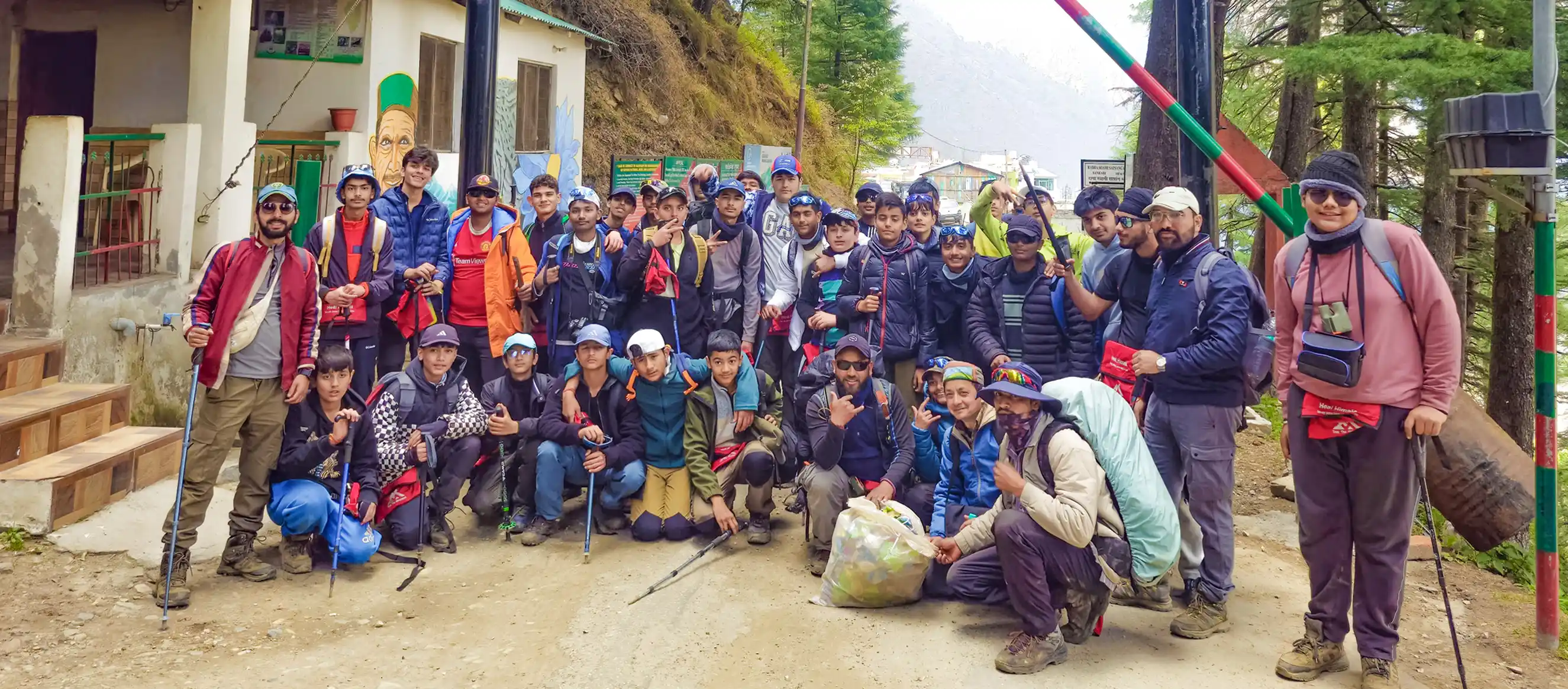
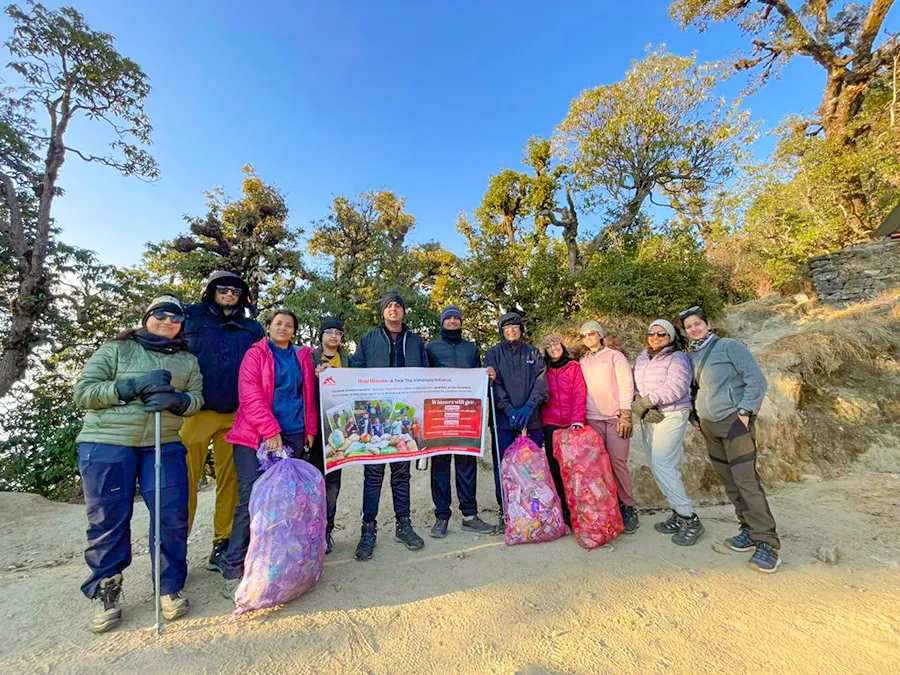
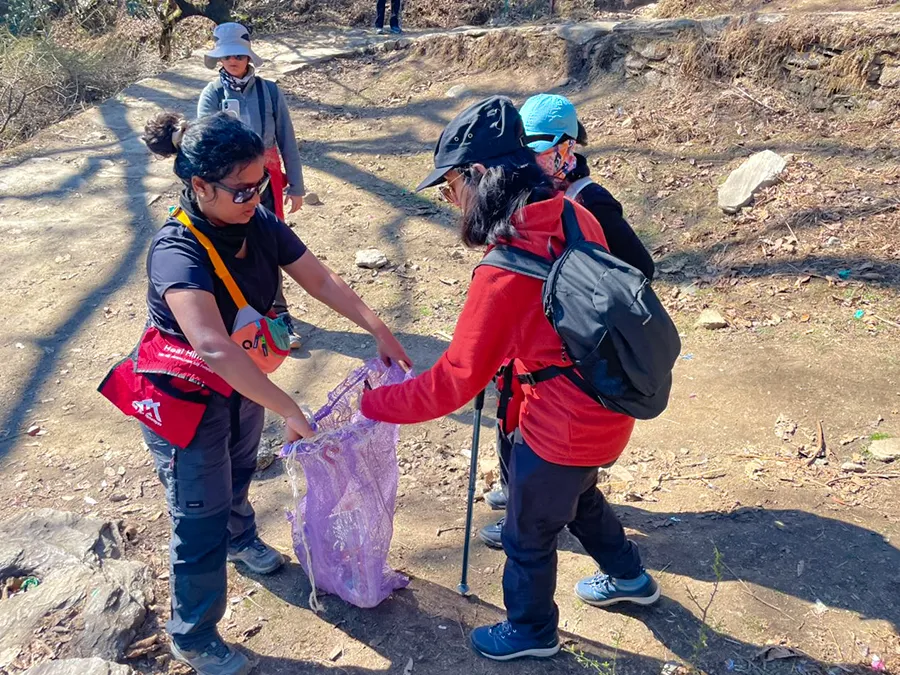
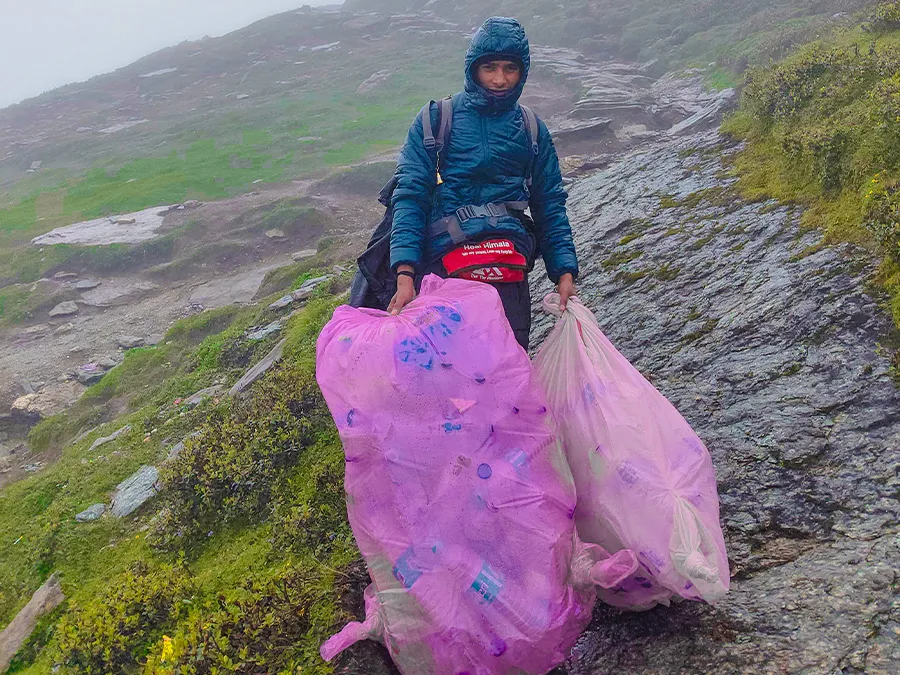
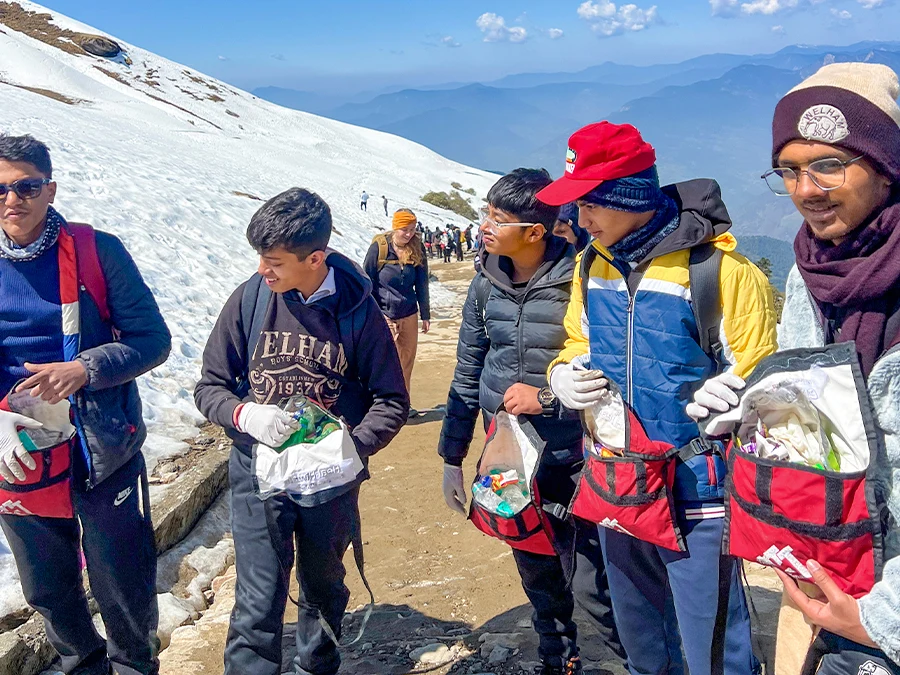
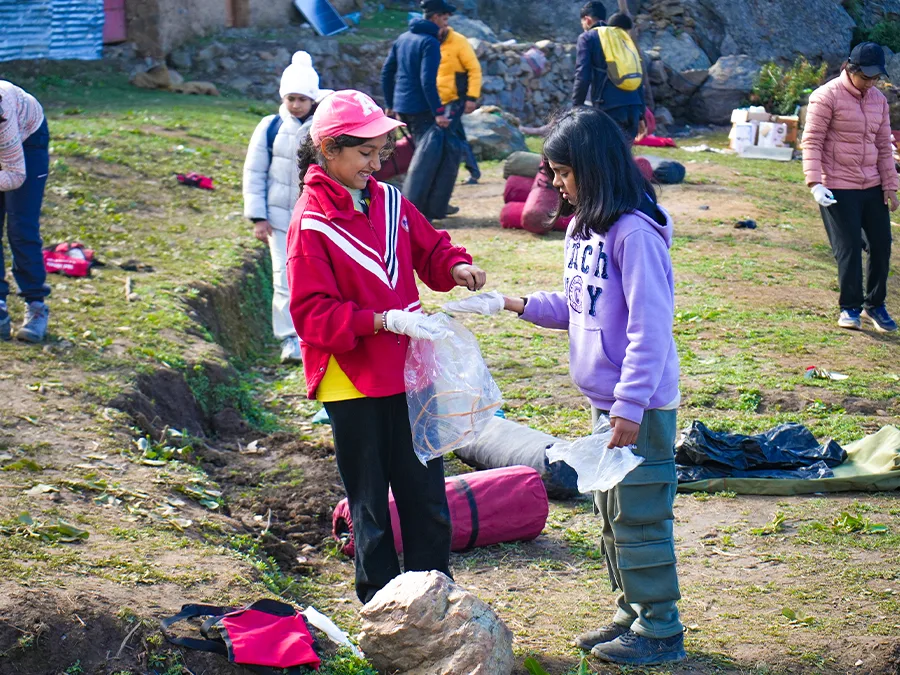
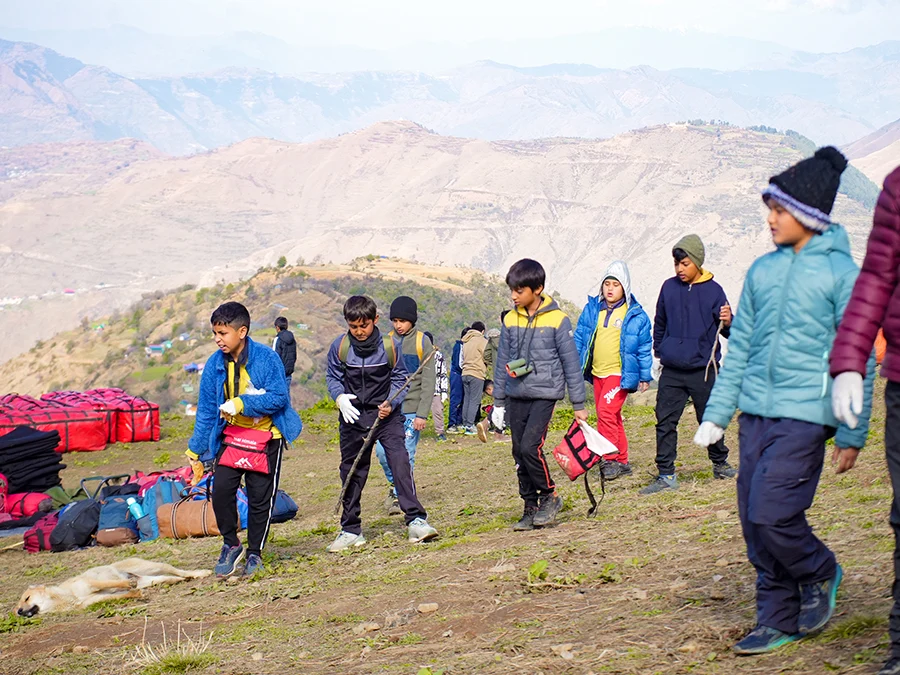
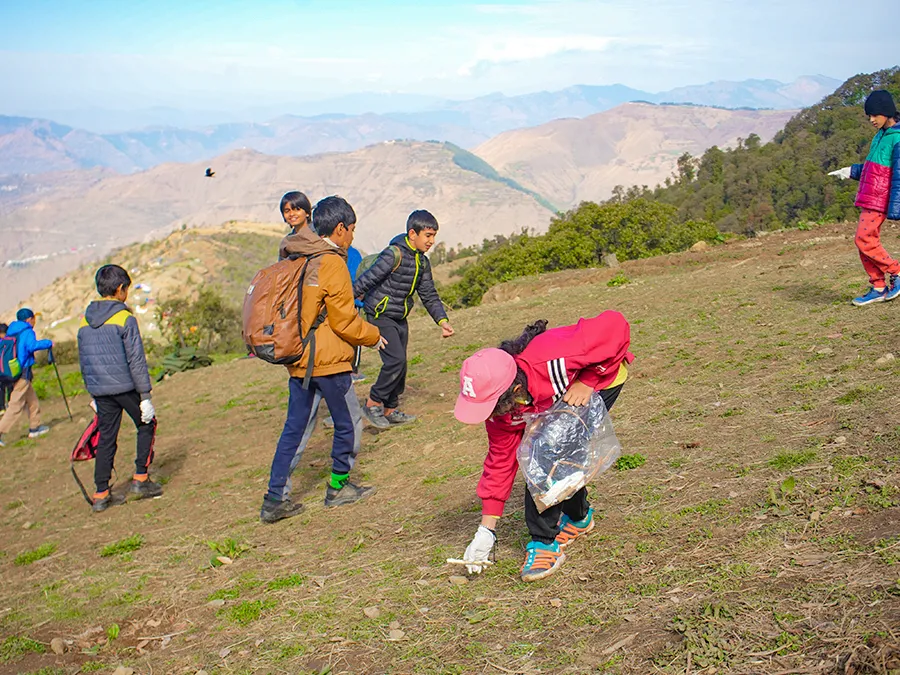
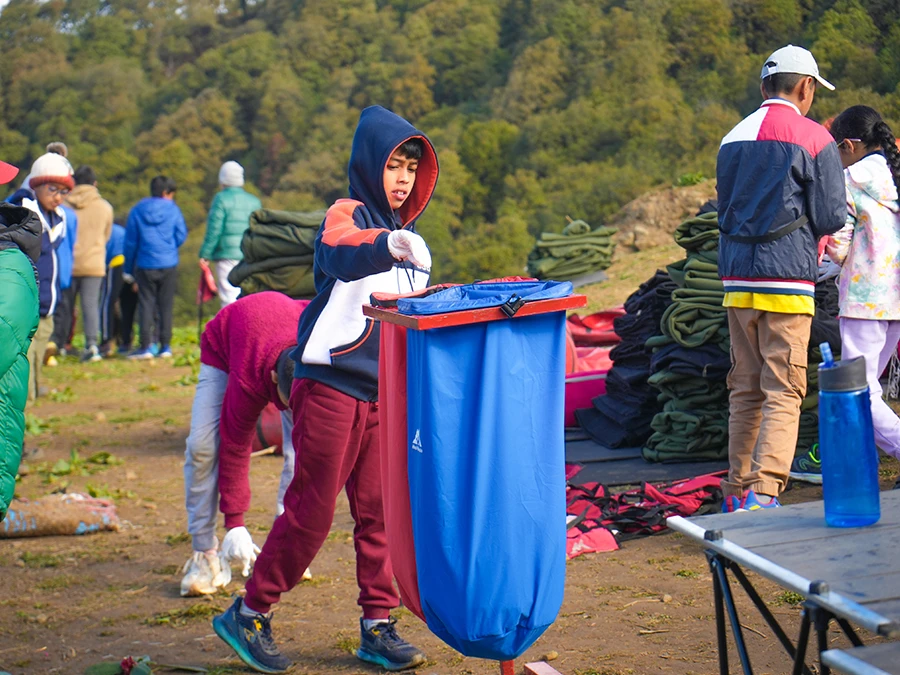
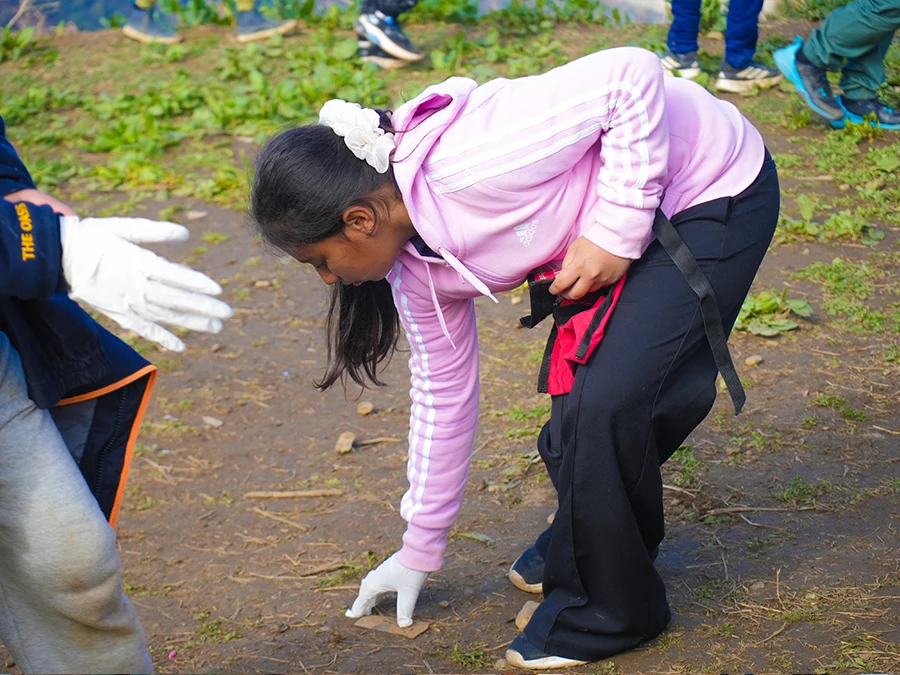
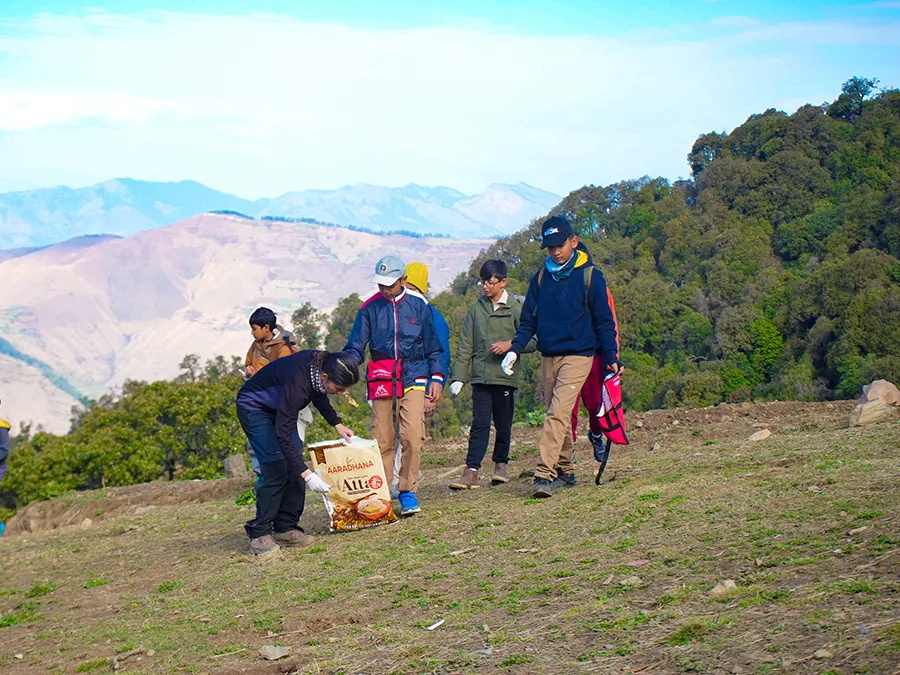
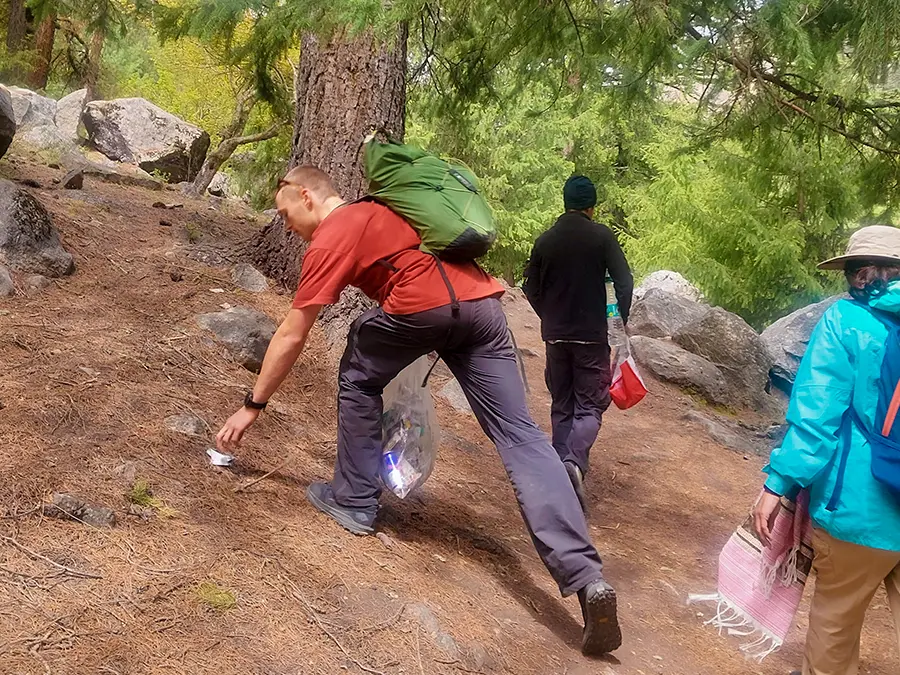
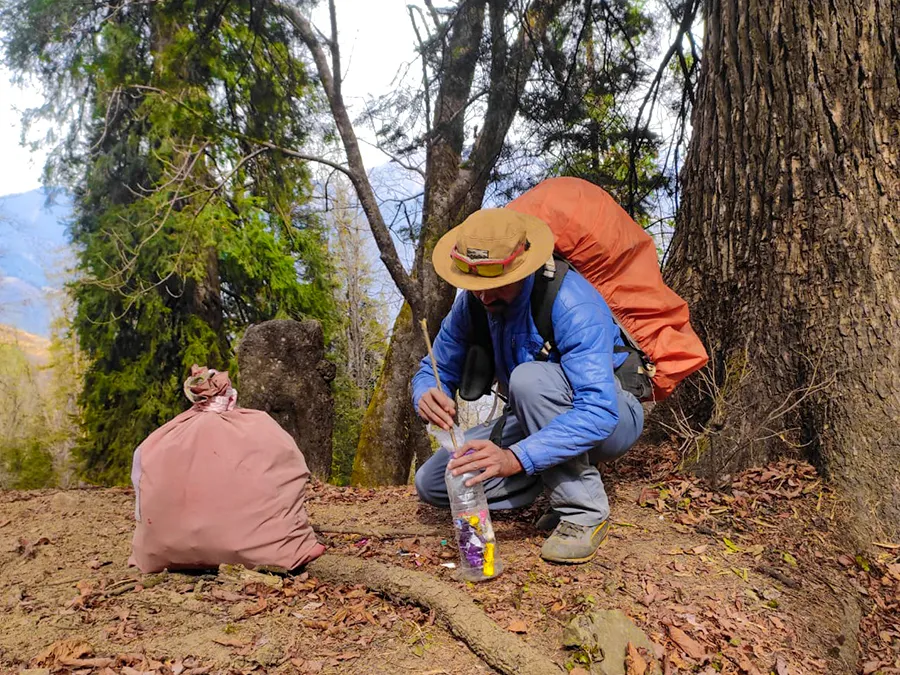
Under this campaign, we organize regular clean-up drives along various trekking trails to remove waste that can harm the environment. We have a dedicated team that chooses trails at various Himalayan regions and collects all the discarded waste from them. More importantly, these clean-up endeavors also involve trekkers and native communities, raising awareness about the harmful effects of littering and the importance of reducing waste.
The course of action for Heal Himala campaign is executed in two aspects:
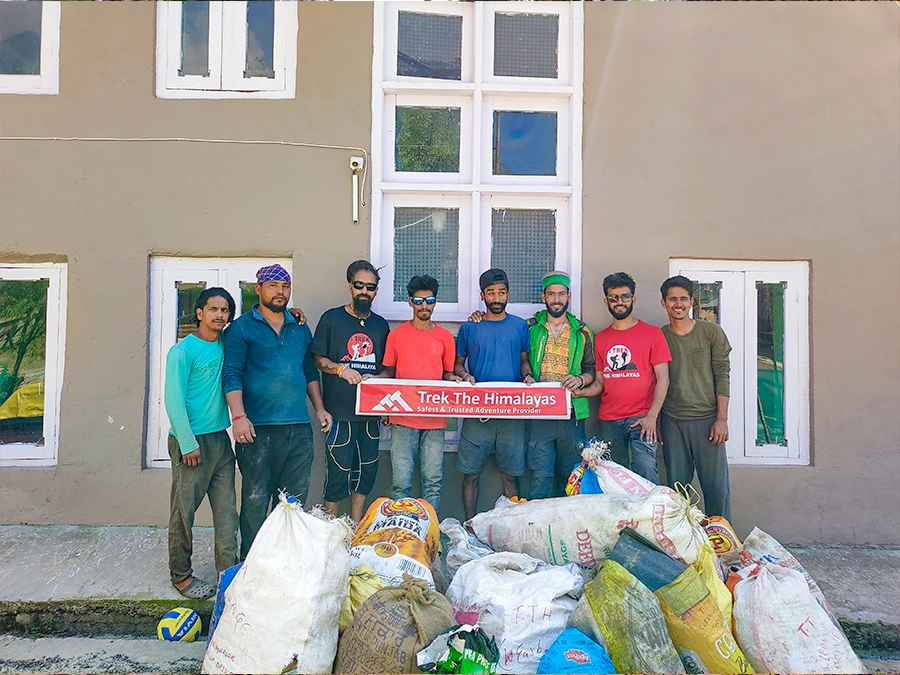
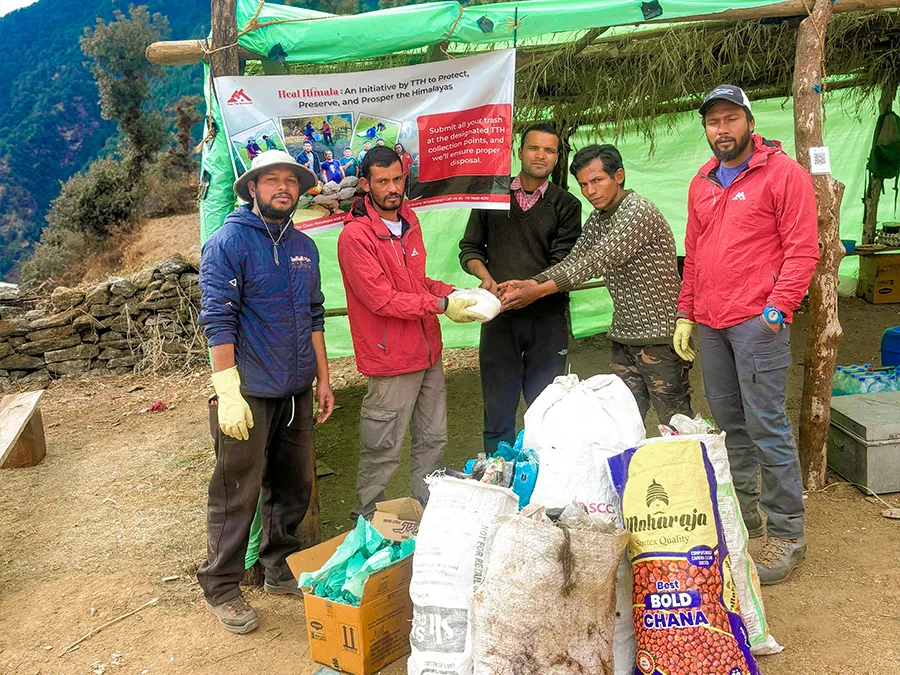
1. On the Ground Clean-Up Activities: In every season after every trek, our teams conduct clean-up drives incorporating proper protocols. They collect waste and garbage from trails and campsites, which is brought down to respective base camps, and then segregated. Eventually, the collected and segregated waste is sent to the authorized NGOs for recycling and scientific disposal.
2. Educating Local People: Spreading education and awareness about clean environment is a very crucial part of this campaign. Thus we appropriately educate local people and villagers about the clean-up process and waste management. We also extend this awareness drive to forest guards and forest rangers, highlighting the negative environmental impacts of littering. We encourage our trekkers to take personal responsibility to carry their waste back.
The Journey of Heal Himala Initiative
Right from the beginning, we put a strong emphasis on maintaining the balance of the Himalayan ecosystem. To achieve this ongoing process, we promoted the idea of eco-conscious trekking in 2010 by encouraging trekkers to carry their waste back.
In 2015, our team started operating a cleanliness drive in the Himalayas. This maiden effort proved to be a run-away success; as a result, every campsite we managed became litter-free. In 2018, we made this campaign more engaging by introducing a reward-based program. Under this program, trekkers who brought back 1 Kg of waste were given small gifts as a gesture of appreciation.
The next milestone came in 2020 when we actively reached out to local food vendors. As part of our agreement, we offered them rice or sugar in exchange for full trash bins, thereby supporting both the environment and local communities.
In 2021, our clean-up endeavors elevated to a higher level when we officially named this drive “Heal Himala”. It turned into a full-fledged campaign with a dedicated team committed to preserving the Himalayas. By 2024, Heal Himala had gained widespread appreciation and was scaled with increased funding. So far we have removed nearly 3,000 Kg of waste from the Himalayas with the support of our team.
🌿 Our Vision for Heal Himala
- A clean and pristine Himalayan environment that remains as it is for future generations to come.
- Trekkers fully understand the impact of waste in the Himalayas and become responsible enough to take their waste back.
- Educating and encouraging local people to take responsibility for their own waste.
- Promoting the idea of leaving trails exactly as pure as they were found.
♻️ Our Mission for Heal Himala
- Installation of waste bins along trekking trails
- Clear signboards every few kilometers to discourage littering
- Strong focus on waste segregation and responsible disposal
- Community and pilgrim awareness programs
Reach of Heal Himala
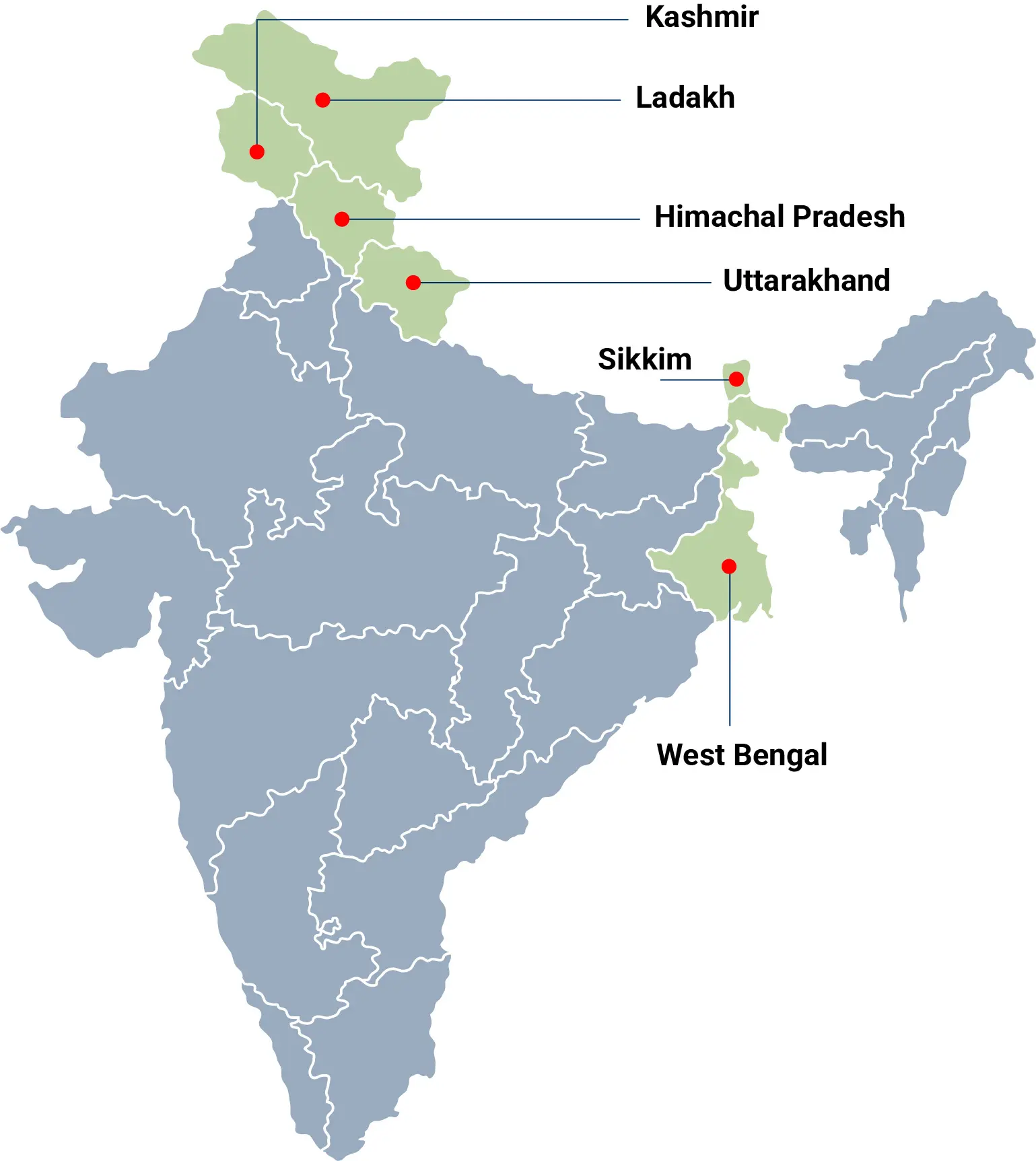
Heal Himala is actively working across multiple Himalayan states of India, especially in ecologically sensitive trekking zones. So far we have launched more than 1200 successful clean-up drives across various trekking trails. More than 2.5 Lakh individuals are inspired to adopt responsible waste practices.
Waste we removed from different trails:
- Goechala Trek – 480 Kg waste has been removed (till 15th November 2025)
- Hampta Pass Trek – 632 Kg waste has been removed (till 6th September 2025)
- Manali Region – 380 Kg waste has been removed (till 21st July 2025)
- Dayara Bugyal – 468 Kg waste has been removed (till 9th July 2025)
- Goechala Trek – 700 Kg waste has been removed (till 11th June 2025)
- Kedarkantha Trek: 582 Kg
- Gaumukh Tapovan Trek: 530 Kg
- Chopta Chandrashills Trek: 512 Kg
- Brahmatal Trek: 447 Kg
- Nag Tibba Trek: 423 Kg
The Heal Himala initiative is beginning to make a meaningful difference on both local trails and in the broader trekking community. This statement bears testimony by the fact that we have cleaned over 100,000 KG of waste from the Himalayan region so far.
Two of our most ambitious cleanliness drives under Heal Himala have been massive successes. Firstly, we collaborated with a local NGO in Dehradun, Waste Warriors, and collected 547 Kg of waste from Govind National Park. The second drive was carried out on a larger scale in which we cleaned out 2500 Kg of waste from Badrinath Forest Division.
Problems Himalayas are Facing
As much as the Himalayan ecosystem is dynamic and vibrant, it is equally fragile. All the living beings belonging to these landscapes live in a perfect harmony and balance. They share its resources, breathe its undiluted air, drink its glacial water, and find refuge in its unique habitats – just as nature presented. However, human activities of late have been one of the reasons behind the disturbance of this delicate balance.
Every time someone leaves behind a plastic wrapper or throws a single use plastic bottle into a stream, the ecosystem gets a hit. Even a tiny amount of waste in the mountains stays for a long time, polluting water bodies, harming animals, contaminating soil, and destroying natural habitats. Having said that, we cannot afford to ignore this; rather, we must accept our responsibilities and act accordingly.
Water Source Pollution
- Plastic waste dumped near river banks
- Waste from rituals and festivals
- Microplastic contamination
- High-altitude rivers and streams carry waste down the valleys
Proliferation of Plastic Waste
- Single-use plastic reaching remote mountainous places
- Plastic dumped along roadsides and forest edges
- Burning plastic releases toxic fumes
- Being non-biodegradable, plastic doesn’t decompose
Impact of Irresponsible Tourism
- Littered trails and campsites
- Overcrowding in the Himalayas
- Physical damage to the natural beauty
- Resource depletion
Forest Pollution
- Habitat destruction
- Blocking of natural water flow
- Plastic ingestion of wild animals
- Forest fire risk
Impact on Remote Communities
- Limited waste management struggles to cope
- Over-construction by builders
- High demand for water, energy, and local supplies
Long-Term Consequences
- Increased health risks
- Degradation of ecosystem and environment
- Extinction of endangered species of plants or animals
- Decline in tourism and local economy
Why We Need Initiatives Like Heal Himala
The Himalayas might seem indomitable, but their ecosystem is delicate and fragile. Little junk like plastic waste or careless actions can have a significant impact on the environment. Which is why eco-friendly and sustainable practices are the only way forward to maintain the required balance in the Himalayan ecosystem. Uttarakhand receives approximately 5.9 crore tourists per year, which could create a serious stress on the environment and its resources. Therefore, it is the pressing need to treat the waste generated by visitors very carefully so that the environment doesn’t get hampered.
Every time someone leaves behind a plastic wrapper or throws a single use plastic bottle into a stream, the ecosystem gets a hit. Even a tiny amount of waste in the mountains stays for a long time, polluting water bodies, harming animals, contaminating soil, and destroying natural habitats. Having said that, we cannot afford to ignore this; rather, we must accept our responsibilities and act accordingly.
Donate for Heal Himala
If you deeply care about the Himalayas and want to keep its pristine glory intact, we are giving you this opportunity to donate for the Heal Himala Campaign. Here is your moment to save the Himalayan ecosystem on your own accord by supporting the culture and environment. We will ensure your genuine and heartfelt assistance through us will reach its destination.
Donate Now and promote sustainable tourism practices!Gallery
Visual stories of our Heal Himala
Related Activities
Explore our other healthcare initiatives
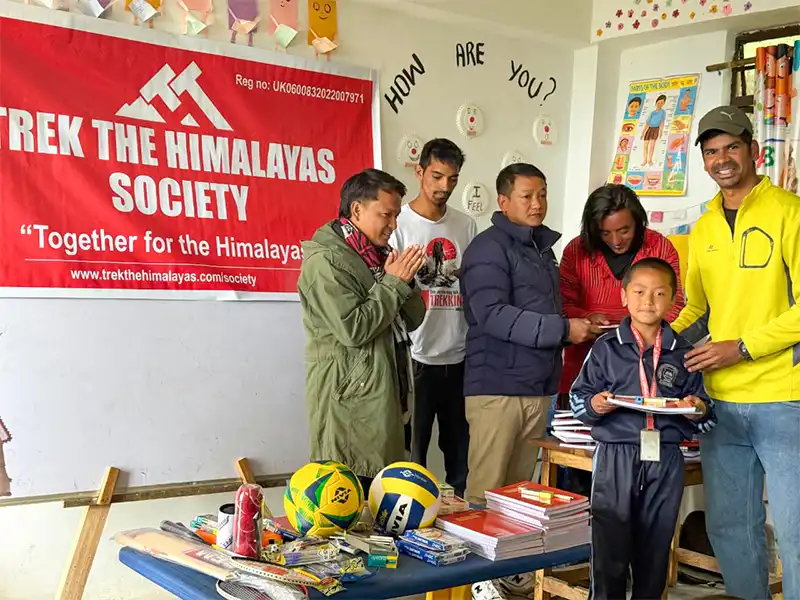
Gift of Hope’ initiative
Our trained staff and volunteers work shoulder to shoulder to provide invaluable aid. Time and again, their selfless help has truly made a big difference during times of need...
Learn More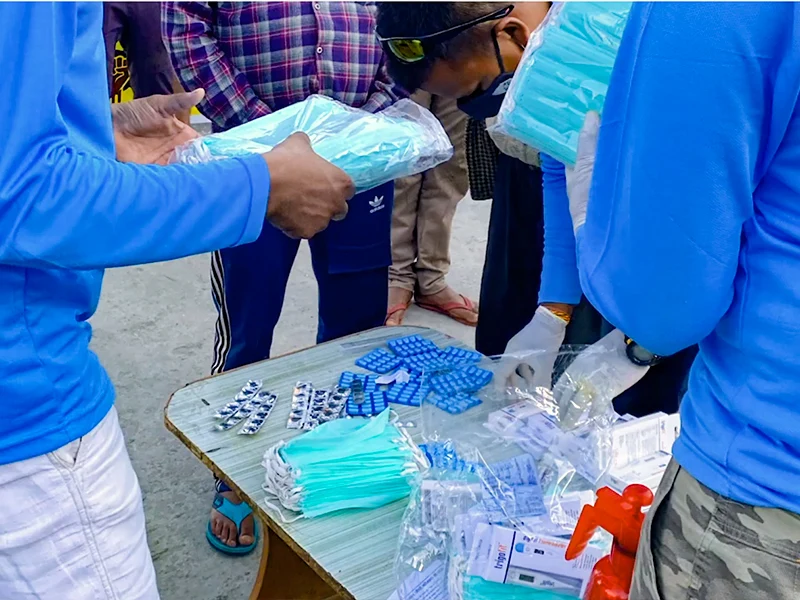
COVID 19
The COVID-19 proliferated as a pandemic with a widespread panic across the world. During the first wave millions of people came under its influence while the high-altitude regions were largely untouched...
Learn More